


Hey there! As a manganese sand supplier, I often get asked about the differences between manganese sand and ceramic filters in water treatment. It's a pretty common question, and it's important to understand these differences if you're looking to improve your water quality. So, let's dive right in and explore what sets these two water treatment materials apart.
What is Manganese Sand?
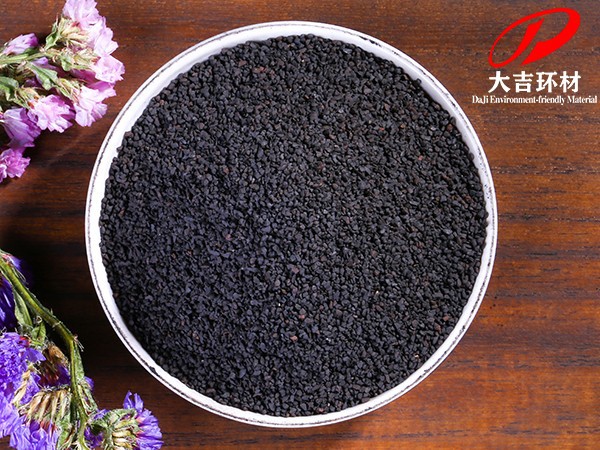
First off, let's talk about manganese sand. Manganese sand is a natural mineral that's mainly composed of manganese dioxide. It's been used in water treatment for ages because it's super effective at removing iron, manganese, and hydrogen sulfide from water. When water passes through a bed of manganese sand, the manganese dioxide in the sand acts as a catalyst. It oxidizes the dissolved iron and manganese, turning them into solid particles that can be easily filtered out.
One of the great things about manganese sand is its versatility. It can be used in various water treatment applications, from small residential water filters to large - scale industrial water treatment plants. You can check out more about sewage filtration with manganese sand at Sewage Filtration with Manganese Sand. Also, if you're interested in its use for iron and manganese removal, take a look at Iron Manganese Removal Manganese Sand. And for general info on using it as a filter material, Filter Materail Manganese Sand is a great resource.
What are Ceramic Filters?
Now, let's turn our attention to ceramic filters. Ceramic filters are made from porous ceramic materials. They work by physically trapping contaminants as water passes through the tiny pores in the ceramic. These filters are really good at removing bacteria, protozoa, and some larger particles from water.
Ceramic filters come in different shapes and sizes, and they can be used in both portable water filters and home water treatment systems. They're often used in areas where the main concern is microbiological contamination in water, like in some developing regions or for camping and outdoor activities.
Physical and Chemical Properties
Let's start with the physical properties. Manganese sand is a granular material, with particles that can vary in size depending on the specific application. The size of the manganese sand particles affects how fast water can flow through the filter and how effectively it can remove contaminants. Generally, smaller particles offer more surface area for oxidation reactions, but they may also slow down the water flow.
On the other hand, ceramic filters have a more rigid and solid structure. The pores in ceramic filters are carefully engineered to have a specific size, which determines what kind of contaminants they can trap. The pore size can range from very fine, which can capture bacteria, to larger pores that can trap bigger particles.
In terms of chemical properties, manganese sand is chemically reactive. The manganese dioxide in it participates in oxidation - reduction reactions with iron, manganese, and hydrogen sulfide in water. This chemical reactivity is what makes it so effective at removing these specific contaminants.
Ceramic filters, however, are mostly chemically inert. Their main function is based on physical filtration rather than chemical reactions. They don't change the chemical composition of the water significantly, except by removing the physical contaminants that are trapped in their pores.
Filtration Mechanisms
The filtration mechanism of manganese sand is a combination of oxidation and physical filtration. When water containing iron and manganese comes into contact with the manganese sand, the iron and manganese are oxidized to form insoluble oxides. These oxides then adhere to the surface of the manganese sand particles or form larger flocs that can be filtered out.
For example, if you have water with high iron content, the iron ions (Fe²⁺) in the water are oxidized to iron(III) hydroxide (Fe(OH)₃) by the manganese dioxide in the sand. This solid iron(III) hydroxide can then be removed from the water.
Ceramic filters, as mentioned earlier, rely on physical filtration. The tiny pores in the ceramic act as a barrier. Contaminants that are larger than the pore size get trapped, while water molecules and smaller dissolved substances can pass through. For instance, bacteria and protozoa, which are relatively large compared to water molecules, get stuck in the pores of the ceramic filter.
Effectiveness in Removing Contaminants
When it comes to removing iron and manganese, manganese sand is the clear winner. It's specifically designed to target these contaminants through oxidation. Even in water with high concentrations of iron and manganese, manganese sand can effectively reduce their levels to acceptable standards.
For example, in a well - water system where the iron content might be as high as 5 - 10 mg/L, a properly designed manganese sand filter can reduce the iron level to less than 0.3 mg/L, which is the maximum contaminant level set by many water quality standards.
Ceramic filters, on the other hand, are not very effective at removing iron and manganese. Their main strength lies in removing microbiological contaminants. They can reduce the number of bacteria and protozoa in water by a significant amount. In some cases, they can remove up to 99.9% of bacteria from water, making it safer to drink.
Maintenance and Lifespan
Manganese sand filters require some maintenance. Over time, the surface of the manganese sand particles can become coated with the oxidized contaminants. This can reduce its effectiveness. To maintain the performance of the filter, periodic backwashing is necessary. Backwashing involves reversing the flow of water through the filter to dislodge the trapped contaminants and flush them out.
The lifespan of manganese sand depends on the quality of the water being treated and the frequency of use. In normal conditions, manganese sand can last for several years before it needs to be replaced.
Ceramic filters also need maintenance. The pores in the ceramic can get clogged with contaminants over time. To clean a ceramic filter, you can usually scrub the surface with a soft brush to remove the trapped particles. However, if the pores are severely clogged and cannot be cleaned effectively, the ceramic filter may need to be replaced. The lifespan of a ceramic filter can vary, but it's typically shorter than that of manganese sand, especially if it's used in water with a high level of contaminants.

Cost Considerations
The cost of using manganese sand and ceramic filters can vary. Manganese sand is generally more cost - effective for large - scale water treatment applications, especially when the main goal is to remove iron and manganese. The initial cost of the manganese sand itself is relatively low, and the equipment required for a manganese sand filter system is also usually less expensive compared to some other advanced water treatment technologies.
Ceramic filters can be more expensive upfront, especially high - quality ones with fine pore sizes for microbiological removal. Also, if you need to replace the ceramic filters frequently due to clogging, the long - term cost can add up.
Which One Should You Choose?
If your main concern is removing iron and manganese from your water, then manganese sand is the way to go. It's highly effective at targeting these specific contaminants and is suitable for both residential and industrial applications.
However, if you're more worried about microbiological contamination, like in water sources that may be contaminated with bacteria and protozoa, then a ceramic filter would be a better choice. You can even use them in combination. For example, you could use a manganese sand filter first to remove iron and manganese, and then follow it with a ceramic filter to remove any remaining microbiological contaminants.
Conclusion
In conclusion, both manganese sand and ceramic filters have their own unique advantages in water treatment. Understanding the differences between them can help you make an informed decision about which one is right for your specific water treatment needs.
If you're interested in purchasing manganese sand for your water treatment project, I'd love to have a chat with you. Whether you're a homeowner looking to improve your well - water quality or an industrial operator in need of a large - scale water treatment solution, I can provide you with high - quality manganese sand and the advice you need. So, don't hesitate to reach out and start a conversation about your water treatment requirements.
References
- Water Treatment Handbook, various editions
- Journal articles on water treatment technologies
- Manufacturer's specifications for manganese sand and ceramic filters


