


As a supplier of Manganese Sand Water Filter Media, I've witnessed firsthand the critical role this media plays in water treatment processes. One question that often arises is: What is the influence of the flow direction of water on the filtration effect of manganese sand water filter media? In this blog post, I'll delve into this topic, exploring the science behind it and how it impacts the overall performance of water filtration systems.
Understanding Manganese Sand Water Filter Media
Before we discuss the influence of water flow direction, let's first understand what manganese sand water filter media is and how it works. Manganese sand is a natural mineral that contains high levels of manganese dioxide. This compound is highly effective in removing iron, manganese, and hydrogen sulfide from water through a process called oxidation. When water passes through the manganese sand filter media, the iron and manganese in the water are oxidized and precipitated, allowing them to be trapped by the filter media and removed from the water.
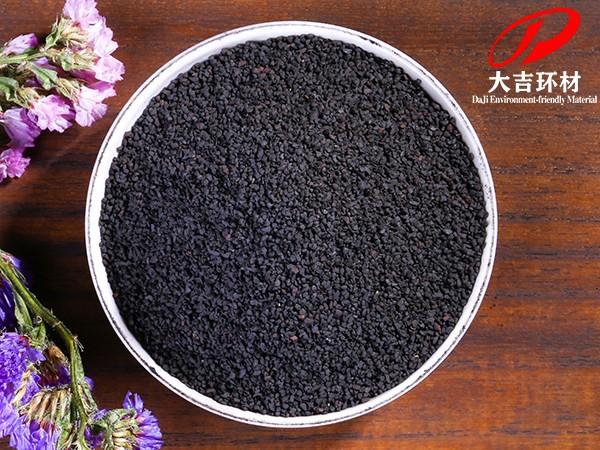

Manganese sand water filter media comes in various sizes and grades, each designed for specific filtration applications. For more information on the different types of manganese sand available, you can visit Multiple Size Manganese Sand.
The Importance of Water Flow Direction
The flow direction of water through the manganese sand filter media can have a significant impact on the filtration effect. There are two main flow directions commonly used in water filtration systems: upward flow and downward flow. Each flow direction has its own advantages and disadvantages, and the choice of flow direction depends on several factors, including the type of contaminants in the water, the flow rate, and the design of the filtration system.
Upward Flow Filtration
In upward flow filtration, water enters the filter media from the bottom and flows upwards through the bed of manganese sand. This flow direction has several advantages:
- Better Distribution of Water: Upward flow ensures that water is evenly distributed throughout the filter media, reducing the risk of channeling and ensuring that all parts of the filter media are utilized effectively.
- Self-Cleaning Effect: As water flows upwards, it helps to lift and remove any accumulated debris or contaminants from the filter media, preventing clogging and extending the lifespan of the filter.
- Higher Filtration Efficiency: Upward flow allows for better contact between the water and the filter media, resulting in higher filtration efficiency and better removal of contaminants.
However, upward flow filtration also has some limitations:
- Higher Pressure Drop: Upward flow requires a higher pressure to push the water through the filter media, which can increase energy consumption and operating costs.
- Risk of Media Expansion: In some cases, upward flow can cause the filter media to expand, leading to uneven distribution of the media and reduced filtration performance.
Downward Flow Filtration
In downward flow filtration, water enters the filter media from the top and flows downwards through the bed of manganese sand. This flow direction also has its own advantages:
- Lower Pressure Drop: Downward flow requires less pressure to push the water through the filter media, resulting in lower energy consumption and operating costs.
- Stable Media Bed: Downward flow helps to keep the filter media in place, preventing media expansion and ensuring a stable media bed.
However, downward flow filtration also has some disadvantages:
- Uneven Distribution of Water: Downward flow can cause water to channel through the filter media, resulting in uneven distribution of the water and reduced filtration efficiency.
- Risk of Clogging: As water flows downwards, it can carry debris and contaminants to the bottom of the filter media, increasing the risk of clogging and reducing the lifespan of the filter.
Factors Affecting the Choice of Flow Direction
When choosing the flow direction for a manganese sand water filter system, several factors need to be considered:
- Type of Contaminants: The type of contaminants in the water can influence the choice of flow direction. For example, if the water contains large amounts of suspended solids, upward flow filtration may be more effective in preventing clogging. On the other hand, if the water contains dissolved contaminants, downward flow filtration may be more suitable for ensuring better contact between the water and the filter media.
- Flow Rate: The flow rate of the water can also affect the choice of flow direction. Upward flow filtration is generally more suitable for low to medium flow rates, while downward flow filtration can handle higher flow rates more effectively.
- Filtration System Design: The design of the filtration system, including the size and shape of the filter vessel, the type of inlet and outlet ports, and the presence of any internal baffles or distributors, can also influence the choice of flow direction.
Practical Applications and Case Studies
To illustrate the influence of water flow direction on the filtration effect of manganese sand water filter media, let's look at some practical applications and case studies:
- Groundwater Treatment: In groundwater treatment applications, upward flow filtration is often used to remove iron and manganese from the water. By using upward flow, the filter media can be self-cleaned, reducing the need for frequent backwashing and maintenance. For more information on using manganese sand for sewage filtration, you can visit Sewage Filtration with Manganese Sand.
- Industrial Water Treatment: In industrial water treatment applications, downward flow filtration is commonly used to remove dissolved contaminants from the water. By using downward flow, the filter media can provide a stable and efficient filtration process, ensuring high-quality water for industrial processes.
Conclusion
In conclusion, the flow direction of water through the manganese sand water filter media can have a significant impact on the filtration effect. Both upward flow and downward flow filtration have their own advantages and disadvantages, and the choice of flow direction depends on several factors, including the type of contaminants in the water, the flow rate, and the design of the filtration system. By understanding the influence of water flow direction and choosing the appropriate flow direction for your specific application, you can ensure optimal filtration performance and efficient water treatment.
If you're interested in learning more about our Manganese Sand Water Filter Media or have any questions about water filtration, please don't hesitate to contact us. We're a leading supplier of Filter Materail Manganese Sand and can provide you with the highest quality products and professional advice to meet your water treatment needs. Let's work together to achieve clean and safe water for your home or business.
References
- [1] American Water Works Association. (2017). Water Quality and Treatment: A Handbook of Community Water Supplies. McGraw-Hill Education.
- [2] AWWA Manual M31: Water Treatment Plant Design. (2016). American Water Works Association.
- [3] Letterman, R. D., & Clark, R. M. (2015). Water Quality Engineering in Natural Systems: Fate and Transport Processes in the Water Environment. Wiley.


