


Hey there! I'm a supplier of multiple size manganese sand, and I often get asked about the lifespan of this awesome filtration material in water filtration systems. So, I thought I'd write a blog post to share what I know and help you understand how long you can expect your manganese sand to last.
What is Manganese Sand and How Does it Work?
First off, let's quickly go over what manganese sand is and how it functions in water filtration. Manganese sand is a natural mineral that's commonly used as a filter media in water treatment processes. It's great at removing impurities like iron, manganese, and hydrogen sulfide from water. When water passes through a bed of manganese sand, these contaminants are oxidized and then trapped by the sand particles, leaving you with cleaner, better - tasting water.
You can learn more about the general use of manganese sand in water filtration on this page: Manganese Sand Water Filter Media.
Factors Affecting the Lifespan of Manganese Sand
The lifespan of multiple size manganese sand in water filtration systems isn't set in stone. It depends on several key factors:
1. Water Quality
The quality of the water you're filtering is a huge factor. If your water has high levels of iron, manganese, or other contaminants, the manganese sand will work harder and may need to be replaced more frequently. For instance, if you're dealing with water from a well that has a high iron content, the sand will become saturated with iron deposits faster than if you're filtering relatively clean municipal water.
2. Flow Rate
The flow rate of water through the filtration system also matters. A higher flow rate means more water is passing through the manganese sand in a shorter period. This can cause the sand to wear out more quickly as it has to process a larger volume of water at once. On the other hand, a lower flow rate gives the sand more time to effectively remove contaminants, potentially extending its lifespan.
3. Size of the Manganese Sand
The size of the manganese sand particles can impact how long it lasts. Smaller particles have a larger surface area, which means they can trap more contaminants. However, they may also clog up faster. Larger particles, on the other hand, are less likely to clog but may not be as efficient at removing very fine contaminants. A mix of multiple sizes can be a good compromise, as it combines the benefits of both small and large particles.
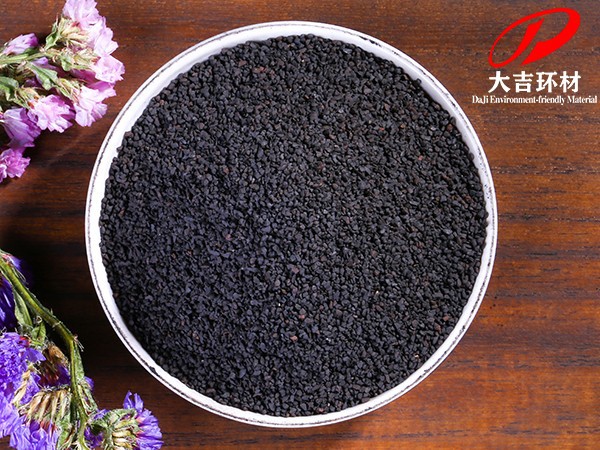

4. Maintenance
Proper maintenance of the filtration system is crucial. Regular backwashing, which involves reversing the flow of water through the filter to remove trapped contaminants, can significantly extend the lifespan of the manganese sand. If you neglect backwashing, the sand will become clogged, and its filtration efficiency will drop. You can find more information about the maintenance - related aspects of using manganese sand in Sewage Filtration with Manganese Sand.
Typical Lifespan Estimates
Based on my experience as a supplier and feedback from customers, here are some rough estimates of how long multiple size manganese sand can last in different situations:
Residential Use
In a typical residential water filtration system, where the water quality is relatively good and the flow rate is moderate, manganese sand can last anywhere from 3 to 5 years. This assumes that the system is properly maintained with regular backwashing.
Commercial or Industrial Use
For commercial or industrial applications, where the water is often dirtier and the flow rates are higher, the lifespan of manganese sand may be shorter. It could range from 1 to 3 years. In industries that deal with wastewater treatment, like mining or food processing, the sand may need to be replaced even more frequently. You can read more about the use of manganese sand in wastewater treatment on Wastewater Treatment Of Manganese Sand.
Signs that Your Manganese Sand Needs to be Replaced
How do you know when it's time to replace your manganese sand? Here are some tell - tale signs:
1. Reduced Filtration Efficiency
If you notice that your water still has a high level of contaminants, such as iron or manganese stains on fixtures or a bad taste in the water, it could be a sign that the manganese sand is no longer working effectively.
2. Increased Pressure Drop
A significant increase in the pressure drop across the filter can indicate that the sand is clogged. This means water is having a harder time passing through the filter, and it's likely that the sand has reached its capacity for trapping contaminants.
3. Visible Wear and Tear
Inspecting the manganese sand visually can also give you clues. If you see that the sand particles are broken, worn down, or have a lot of sediment buildup that can't be removed through backwashing, it's probably time for a replacement.
Extending the Lifespan of Your Manganese Sand
There are a few things you can do to get the most out of your manganese sand:
1. Pre - filtration
Installing a pre - filter before the manganese sand filter can help remove larger particles and some of the contaminants. This takes some of the load off the manganese sand and can extend its lifespan.
2. Proper Backwashing
As mentioned earlier, regular and proper backwashing is essential. Make sure you follow the manufacturer's guidelines for backwashing frequency and duration.
3. Monitor Water Quality
Regularly test your water to keep an eye on the levels of contaminants. This can help you anticipate when the manganese sand may need to be replaced and take action before the water quality deteriorates too much.
Conclusion
So, there you have it! The lifespan of multiple size manganese sand in water filtration systems varies depending on water quality, flow rate, sand size, and maintenance. By understanding these factors and taking steps to extend its lifespan, you can get the most out of your filtration system.
If you're in the market for high - quality multiple size manganese sand for your water filtration needs, I'd love to chat. Whether you're a homeowner looking to improve your drinking water or a business owner in need of a reliable filtration solution, I can provide the right product and advice. Reach out to start a conversation about your specific requirements, and let's find the best manganese sand solution for you.
References
- Water Treatment Handbook, various editions
- Industry reports on water filtration media performance


