


Hey there! As a supplier of Sewage Filtration with Manganese Sand, I often get asked about the role of manganese dioxide in manganese sand for sewage filtration. So, I thought I'd take the time to break it down for you in this blog post.
First off, let's talk a bit about manganese sand. Manganese sand is a natural mineral that's commonly used as a filter media in water treatment processes, especially for sewage filtration. It's known for its high content of manganese dioxide, which plays a crucial role in the filtration process.
Manganese dioxide (MnO₂) is a powerful oxidizing agent. In the context of sewage filtration, this is super important. When sewage passes through the manganese sand filter, the manganese dioxide in the sand reacts with various contaminants in the water. One of the main things it targets is iron and manganese ions. These ions are often present in sewage and can cause discoloration, bad taste, and other issues in water.
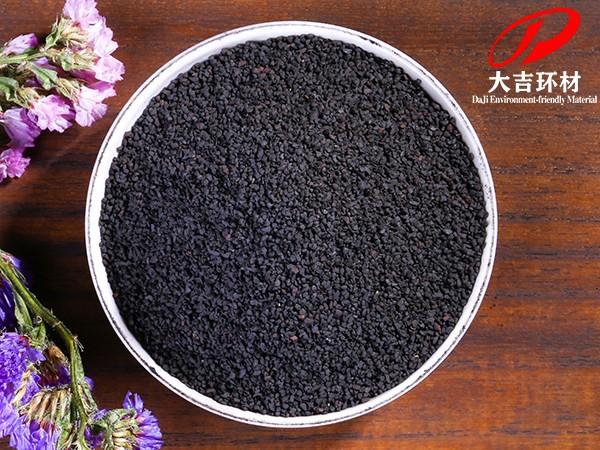

The oxidation process that manganese dioxide facilitates is pretty cool. It converts the soluble ferrous iron (Fe²⁺) and manganous manganese (Mn²⁺) ions into insoluble ferric iron (Fe³⁺) and manganic manganese (Mn⁴⁺) compounds. These insoluble compounds then get trapped in the manganese sand filter, effectively removing them from the sewage. This not only improves the aesthetic quality of the water but also makes it safer for further treatment or discharge.
Another key aspect is that manganese dioxide helps in the removal of hydrogen sulfide (H₂S) from sewage. Hydrogen sulfide is a smelly and corrosive gas that can cause problems in sewage systems and treatment plants. When sewage containing hydrogen sulfide comes into contact with the manganese dioxide in the manganese sand, a chemical reaction occurs. The manganese dioxide oxidizes the hydrogen sulfide, converting it into elemental sulfur (S), which can be easily filtered out. This reduces the odor and corrosiveness of the sewage, making it easier to handle.
Moreover, manganese dioxide has antibacterial properties. It can inhibit the growth of certain bacteria in the sewage. This is important because bacteria in sewage can pose health risks and can also cause problems in the treatment process. By reducing the bacterial load, manganese dioxide helps in maintaining a more efficient and hygienic sewage filtration system.
Now, let's talk about the different grades of manganese sand available. You can find manganese sand with a 25%-65% Content Of Manganese Sand. The higher the content of manganese dioxide in the sand, the more effective it is likely to be in sewage filtration. However, the choice of the right grade depends on the specific characteristics of the sewage being treated. For example, if the sewage has a high concentration of iron and manganese ions, a higher-grade manganese sand might be more suitable.
Our Water Treatment Filter Media Manganese Sand is carefully selected and processed to ensure optimal performance in sewage filtration. We source our manganese sand from high-quality mines and use advanced processing techniques to maintain the purity and effectiveness of the manganese dioxide in the sand.
When it comes to the actual filtration process, manganese sand is usually placed in a filter bed. The sewage is then passed through this bed at a controlled rate. As the sewage flows through the manganese sand, the contaminants are removed through the oxidation and filtration mechanisms we discussed earlier. Over time, the manganese sand may become saturated with the trapped contaminants, and it will need to be replaced or regenerated.
Regeneration of manganese sand can be done in different ways. One common method is backwashing, where water is passed through the filter bed in the reverse direction to remove the trapped contaminants. Another method involves chemical regeneration, where certain chemicals are used to restore the activity of the manganese dioxide in the sand.
As a supplier of Sewage Filtration with Manganese Sand, we understand the importance of providing high-quality products and reliable services. We work closely with our customers to understand their specific sewage filtration needs and recommend the most suitable manganese sand products.
If you're in the market for manganese sand for sewage filtration, we'd love to have a chat with you. Whether you're a small sewage treatment plant or a large industrial facility, we can provide you with the right solutions. Contact us to discuss your requirements and let's see how we can work together to improve your sewage filtration process.
In conclusion, manganese dioxide in manganese sand plays a vital role in sewage filtration. It helps in the removal of iron, manganese, hydrogen sulfide, and bacteria from sewage, making the water cleaner and safer. With the right grade of manganese sand and proper maintenance, you can achieve efficient and effective sewage filtration. So, don't hesitate to reach out if you have any questions or if you're interested in purchasing our manganese sand products.
References
- "Water Treatment Handbook" by Water Treatment Experts
- "Advanced Oxidation Processes in Water and Wastewater Treatment" by various authors


